

Is Being A ‘Night Owl’ Bad?
Why do some people like to get up early, while others stay up late? Studies suggest that our sleep preferences are influenced by genetics, age, light exposure and even our school or work schedules. However, rather than the typical early bird versus night owl debate, the Sleep Foundation says there are four types of sleepers:
- Lion: The 15% of people who wake up at 6 a.m., are most productive from 9 a.m. to 2 p.m., and go to bed at 10 p.m. (i.e., morning people)
- Bear: The 55% of people who wake up at 7 a.m., are productive from 10 a.m. to 2 p.m., and sleep at 11 p.m. They align their schedule with sunrise and sunset.
- Wolf: The 15% of people who wake up at 7:30 a.m., are productive from 1 to 5 p.m., and sleep at midnight. They are creative thinkers and night owls.
- Dolphin: The 10% of people who wake up at 6 a.m., are productive from 3 to 5 p.m., and go to bed at 11 p.m. They often have irregular sleep patterns and struggle with insomnia.
So, you might be wondering, “Does my type matter, so long as I get seven hours of sleep?”
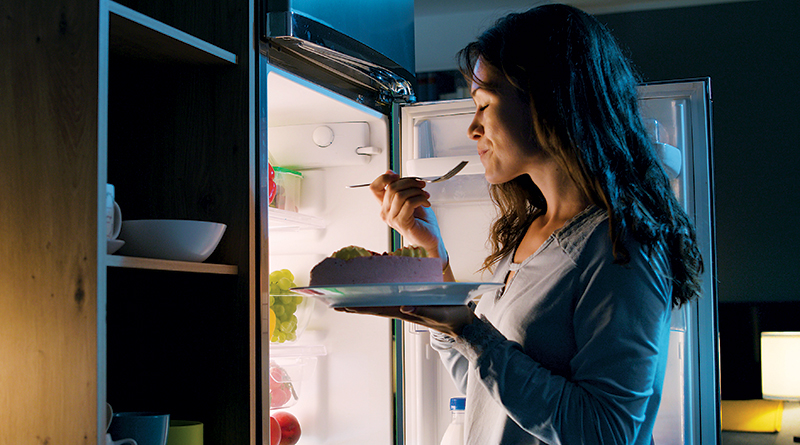
As you may already know, continued sleep deprivation increases your risks for dementia, sleep apnea, obesity, mental disorders and Type 2 diabetes. But staying up late, even if you wind up sleeping the recommended number of hours, tends to make us more sedentary, prone to eating unhealthily and more likely to use drugs and alcohol.
The good news is that you can make adjustments to keep yourself healthy despite your “sleep chronotype.” Some ways to do that include:
- Gradually shifting your bedtime schedule. Each day for five days, go to bed 20 minutes earlier. Once your body gradually adjusts to this new bedtime, start going to sleep and waking up at the same time every day, even on weekends and vacations.
- Keeping it dark and cold. Sleep specialists suggest using blackout curtains and claim the “Goldilocks zone” for temperature is between 60 and 67 degrees. However, you can also wear a sleep mask or use a white noise machine to get the vibe right.
- Quit doomscrolling and binging. We love our streaming shows and apps as much as you do! However, cut off your screens 30 to 60 minutes before you go to sleep. Games, movies and the news can be stressful and overstimulating. The blue light from your phone also suppresses melatonin, the hormone responsible for your sleep-wake cycle.
By making small adjustments to your sleep habits and environment, you can improve your overall health and productivity regardless of whether you’re a lion, bear, wolf, dolphin—or an old-fashioned night owl. For more help: lutheranhospital.com/sleep-care

This article is presented by Lutheran Health Network, which is a family of more than 6,000 employees, physicians, advanced practice providers and volunteers dedicated to providing compassionate, quality care with the best possible experience, to every patient, every time. As a taxpaying, integrated healthcare delivery system and one of the largest employers in the region, Lutheran Health Network makes a positive impact on the communities we serve. Access points across northeast Indiana include acute care hospitals, specialty hospitals, physician offices, urgent care clinics and outpatient centers. For more information, please visit LutheranHealth.net. Dupont, Lutheran, Lutheran Downtown, Rehabilitation and The Orthopedic hospitals are owned in part by physicians.

> Read More Information About Us
> More Articles Written By Our Staff
- New Businesses Join Waynedale Community - April 27, 2026
- Editorial | Travis Holdman (R) – Indiana State Senator, Dist. 19 Candidate - April 27, 2026
- Editorial | Ewelina Connolly (R) – Allen County Commissioner, Dist. 3 Candidate - April 27, 2026