

Stillwater Hospice Receives Wildlife Habitat Certification
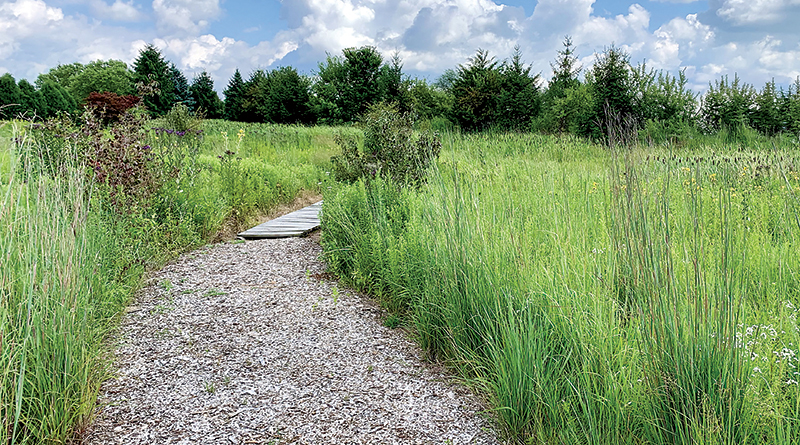
The National Wildlife Federation (NWF), America’s largest wildlife conservation and education organization, and the Indiana Wildlife Federation are pleased that Stillwater Hospice in Fort Wayne, Indiana, has successfully created a Certified Wildlife Habitat® through its Garden for Wildlife™ movement.
NWF celebrates this effort to create an outdoor campus that supports birds, butterflies, bees, frogs and other local wildlife. Every Certified Wildlife Habitat garden provides natural sources of food, water, cover and places to raise young and is maintained in a sustainable way that incorporates native plants, conserves water and doesn’t rely on pesticides.
Started in 1973, the Garden for Wildlife movement is the nation’s oldest and largest native plant/habitat program, recognizing over 300,000 Certified Wildlife Habitat® gardens across North America and at 39 embassies worldwide, encompassing an estimated 4 million acres that support wildlife locally. Backyards, urban gardens, school grounds, businesses, places of worship, campuses, parks, farms, zoos, and community landscapes can all be recognized as wildlife habitats through the program.
“We are excited about this new Certified Wildlife Habitat® in Indiana, as it provides native plants and essential habitat elements,” said Mary Phillips, Head of Garden for Wildlife™/Certified Wildlife Habitat®. “Research shows certified properties have the potential to support twice as much wildlife compared to non-certified properties.”
“Anyone, anywhere can restore wildlife habitat right in their own yards and communities,” said NWF Naturalist David Mizejewski. “Whether you garden in a suburban yard, an urban area or a rural plot of land, you can make a difference for local wildlife. Creating a Certified Wildlife Habitat garden is fun, easy and makes a real difference for neighborhood wildlife. It’s the perfect grassroots way to think globally and act locally and help birds, butterflies, bees and other wildlife,” he added.

Twenty years ago in 2006, Stillwater Hospice, then known as Visiting Nurse, planted a native Indiana prairie in the two acres behind its in-patient facility, Hospice Home, northeast Indiana’s only dedicated hospice care facility. The native natural environment with meandering pathways was installed as a place for families of Stillwater’s patients to gain peace and comfort during what is often a challenging time in families’ lives.
“By creating the Stillwater Prairie, we wanted to not only provide solace to the people we serve but also to benefit the ecosystem by providing natural beauty and a place for the cycle of life to be observed and supported,” said Leslie Friedel, Stillwater’s CEO. “We could have planted more lawn, but the prairie supports a range of wildlife amongst the beautiful native flowering plants and grasses and reduces the need to mow and water.”
The Stillwater campus is also open to the public and is a recognized greenspace on the Fort Wayne Trail System, providing the public at large another space to interact with nature.
The Stillwater Prairie and surrounding landscaping features over 70 native species of flowering plants and more than 13 native grasses and sedges. Native species are those that are recorded as having been growing in northeast Indiana when explorers first explored in the 1800s. Native plant species provide specific nutrients and habitat for creatures native to the local climate. Stillwater irrigates using pure water from the aquifer that lies under its campus, and the fertilization of its turf lawns is done organically. Wildlife cameras capture the extensive wildlife that calls the grounds of Stillwater Hospice ‘home.’
Many of NWF’s state affiliate organizations, including Indiana Wildlife Federation are partners in the Garden for Wildlife movement. Habitats in partnering states have national and state certification, and Stillwater Hospice has also received Indiana certification for its efforts. The Stillwater Prairie is previously recognized and certified by the Indiana Native Plant Society.
Participants who have their wildlife habitat garden certified receive a personalized certificate with a unique habitat number, and the exclusive right to post a Certified Wildlife Habitat sign.
For more information on NWF’s Garden for Wildlife™ movement and how to qualify to have a garden space recognized as a Certified Wildlife Habitat, visit www.nwf.org/garden.
The National Wildlife Federation is America’s largest conservation organization, uniting all Americans to ensure wildlife thrive in a rapidly changing world.

> Read More Information About Us
> More Articles Written By Our Staff
- Dinner Raises $215K For Youth In Northeast Indiana - June 9, 2026
- Local Parks Offer Free & Family-Friendly Summer Fun - June 9, 2026
- Race Day Travel Gets A Rotor-Powered Upgrade - June 9, 2026